

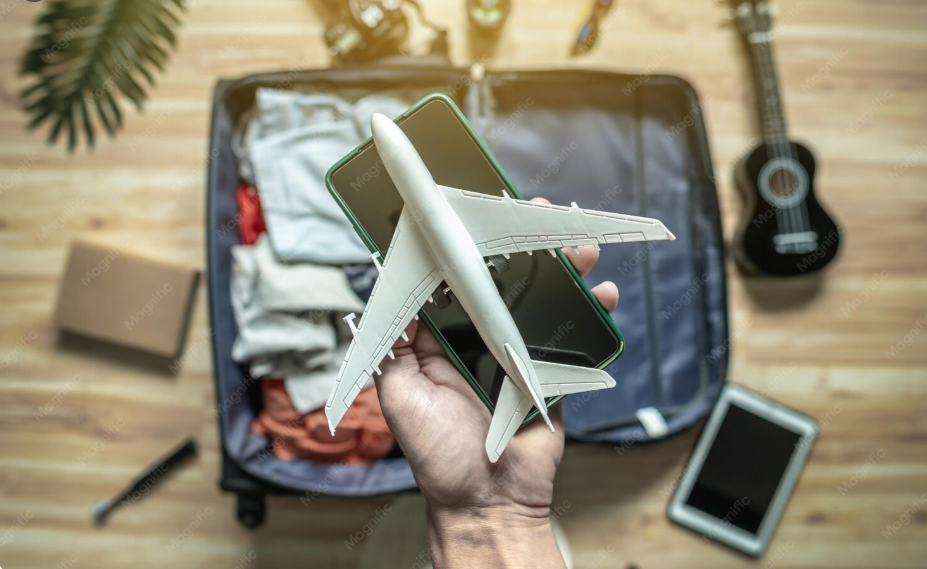
Luggage can quickly become one of the most stressful parts of international travel. Overweight bags, unexpected airline fees, restricted items, or simply getting several large suitcases to the airport can create problems before the journey has even begun.
A little preparation can make a significant difference. From checking baggage rules and packing a reliable carry-on to shipping bulky items separately, smart luggage planning can save both time and money. Here are seven practical ways to manage your luggage before an international flight.
1. Check Your Airline’s Baggage Rules Before Packing
Before opening your suitcase, check the baggage allowance included with your ticket. Rules vary significantly between airlines, routes, and fare types, so what worked on your previous flight may not apply to your next one.
Check the permitted weight and dimensions for both checked and cabin baggage. If you’re traveling with skis, a snowboard, golf clubs, or other large equipment, review the airline’s oversized and sports baggage policies as well.
Connecting flights require extra attention. If different airlines operate different parts of your itinerary, check the baggage rules for each carrier.
Knowing the limits before you pack is much easier than rearranging an overweight suitcase at the check-in desk.
2. Weigh and Measure Your Luggage at Home
A small luggage scale can help prevent an expensive surprise at the airport. Weigh every checked suitcase before departure and check cabin bags too if your airline imposes a weight limit.
Remember that weight isn’t the only consideration. Airlines may also restrict the dimensions of checked and carry-on luggage. A lightweight but oversized bag can still result in additional charges.
Try to leave a small margin below the maximum allowance rather than packing exactly to the limit. It gives you some flexibility and leaves room for anything you might want to bring home from your trip.
If a suitcase is already overweight, decide at home whether it makes more sense to redistribute items, purchase additional baggage, or consider another transportation option.
3. Pack Your Carry-On as a Backup
Even with sophisticated baggage systems, checked luggage can occasionally be delayed or misrouted. Your carry-on should therefore be more than a place for headphones and snacks — think of it as your backup plan.
Keep essential items with you, including your passport, travel documents, medication, phone, charger, valuables, and any important electronics. Adding basic toiletries and a change of clothes can make the first 24 hours much easier if your checked suitcase is delayed.
Essential medication and irreplaceable documents should never be packed exclusively in checked luggage.
When packing electronics, batteries, liquids, or medication, always check current airline and security requirements before traveling.
4. Consider Shipping Bulky Luggage Ahead
Not everything you take abroad necessarily needs to travel on the aircraft with you.
Shipping luggage separately can be worth considering when traveling with multiple suitcases, skis, snowboards, golf equipment, or other bulky belongings. It can also be useful for students studying abroad, people relocating internationally, and travelers planning extended stays.
Both approaches have advantages. Airline baggage travels with you and is usually straightforward for standard suitcases, but weight and size restrictions apply and excess baggage charges can increase the cost.
Courier or dedicated luggage shipping services can offer door-to-door delivery and shipment tracking. However, international shipments may require customs documentation and need to be sent several days before your departure.
Rather than assuming one option is cheaper, compare the total price, dimensions, weight, delivery time, destination, and convenience.
5. Track Anything You Ship Separately
If you decide to send luggage or personal belongings separately, keep all shipping information somewhere easily accessible.
Save the tracking number, courier details, shipping receipt, customs documents, and insurance information where applicable. A typical international shipment may move through several stages, such as Collected → In Transit → Customs → Out for Delivery → Delivered.
Don’t panic if tracking information doesn’t update continuously. Packages can spend time moving between logistics hubs or waiting for customs clearance without generating a new scan.
The most important factor is allowing enough time. Avoid scheduling delivery so tightly that a minor customs or transportation delay causes a serious problem.
Passports, essential medication, keys, and anything you need immediately after arrival should always travel with you rather than inside a separately shipped suitcase.
6. Plan How You’ll Get Your Luggage to the Airport
Packing everything successfully only solves half the problem. You still need to transport your luggage from home to the terminal.
Public transport can be an excellent choice for a solo traveler carrying one suitcase, particularly when there is a direct train or bus connection. It becomes less convenient when a journey involves several passengers, multiple connections, large suitcases, children, or sports equipment.
Driving can simplify the journey for families and travelers carrying skis, snowboards, or several heavy bags because luggage can remain in the vehicle for most of the trip.
For travelers departing from Geneva with several suitcases or bulky equipment, driving can simplify the first stage of the journey. Reserving Parking Aéroport Genève in advance means the parking arrangements are already taken care of before departure day.
Whatever transportation method you choose, allow enough time for unloading bags, reaching the terminal, checking in, and handling oversized baggage if necessary.
7. Make Your Luggage Easy to Identify
Many suitcases look almost identical on an airport baggage carousel. Making yours easy to identify can save time and reduce the chance of another passenger taking it by mistake.
Attach a secure luggage tag with appropriate contact information and remove old airline baggage stickers before your next flight. Taking a photograph of your suitcase before check-in can also be useful if you need to describe it later.
Keep the baggage receipt provided at check-in and record the baggage tag number until your suitcase has been returned.
Some travelers also place compatible personal tracking devices inside checked luggage where permitted. These can provide useful location information, but they do not replace the airline’s official baggage tracing process.
If your suitcase does not arrive, report the issue to the airline or baggage service as soon as possible and keep all relevant documentation.
Quick International Luggage Checklist
Before leaving for the airport, make sure you have:
● Checked your airline’s baggage allowance
● Weighed and measured your suitcases
● Reviewed restricted items
● Packed essential items in your carry-on
● Considered shipping bulky belongings separately
● Saved tracking numbers for any shipped items
● Arranged transportation to the airport
● Added identification to your luggage
● Saved baggage receipts and tag numbers
Final Thoughts
Smart luggage management starts long before you reach the airport. Checking airline limits, weighing bags at home, protecting essential items, and considering alternative shipping options can prevent many common travel problems.
There is no single solution that works for every journey. A solo traveler carrying one cabin bag has very different needs from a family traveling internationally with several suitcases and ski equipment.
Treat luggage as part of your overall travel logistics rather than simply something to pack the night before. A little preparation can reduce unexpected costs, save valuable time, and make the beginning of your international journey considerably easier.