

Joaquin Panichelli provides insight into the journey of a young Argentine forward steadily building his professional reputation in European football. The following is a summary of information from Jalalive about Joaquin Panichelli Biography, focusing on his background, development stages, and technical evolution. His progression reflects discipline, structured training, and adaptability within competitive environments.
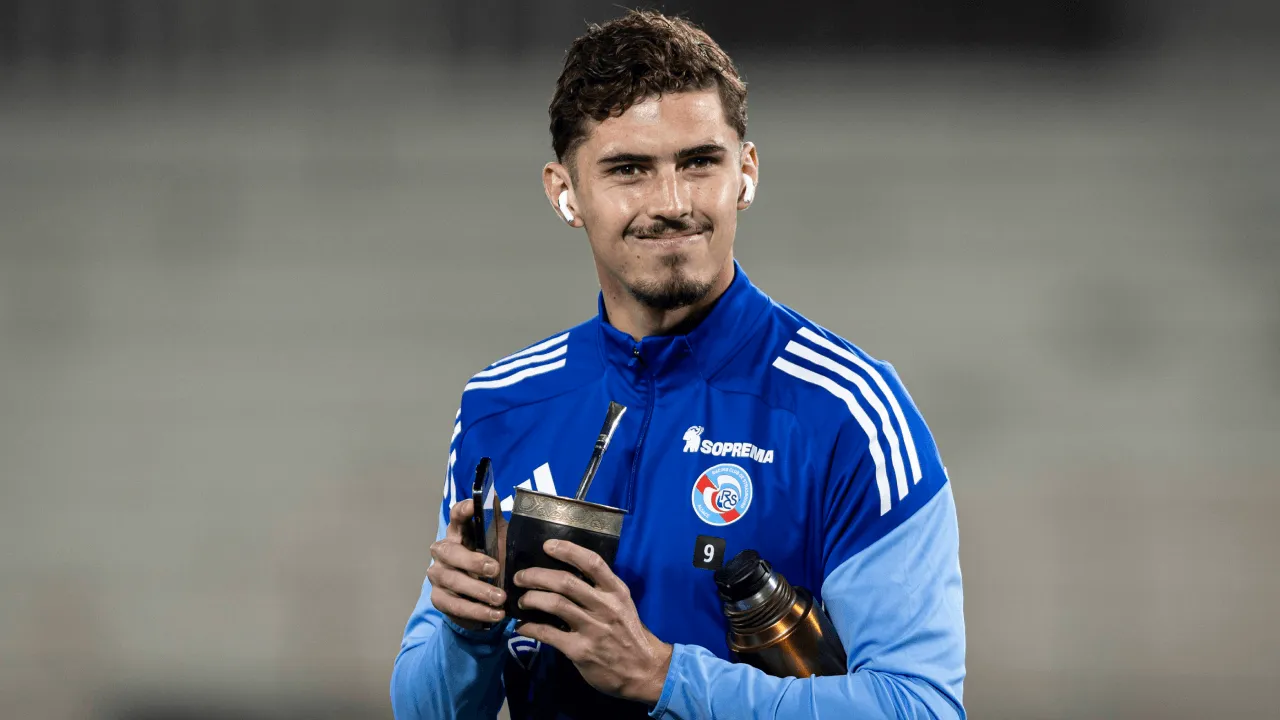
Joaquin Panichelli Biography overview career path development journey
Early Life And Personal Background In Joaquin Panichelli Biography
Understanding a player’s roots often clarifies how character and ambition are shaped over time. This section outlines essential personal information and formative influences that contributed to his professional mindset.
-
Full name: Joaquin Panichelli.
-
Date of birth: October 10, 2002.
-
Nationality: Argentine.
-
Place of birth: Argentina.
-
Position: Forward.
-
Preferred foot: Right.
Growing up in Argentina, Panichelli was immersed in a football culture that values creativity and resilience. From an early age, he demonstrated strong attacking instincts, combining movement and finishing ability. His youth training emphasized technical discipline, helping him refine ball control and spatial awareness before transitioning into European football structures.
Youth Development Foundations
Panichelli’s formative years were marked by consistent academy training and exposure to competitive youth tournaments. Coaches quickly recognized his intelligent positioning inside the penalty area. Rather than relying solely on physical attributes, he developed timing and anticipation, qualities that would later define his attacking profile.
His early experiences also cultivated mental resilience. Competing in high-pressure youth matches prepared him for the demands of professional environments abroad.
Transition Toward Professional Football
The move from youth football to senior competition required tactical adaptation. Panichelli adjusted to faster defensive lines and more structured systems. This period of transition shaped the narrative frequently referenced in Joaquin Panichelli Biography, highlighting patience and gradual improvement instead of sudden breakthrough moments.
Professional Career Growth And Competitive Progress
Panichelli’s professional path illustrates steady progression rather than rapid fame. After completing his youth development phase, he sought opportunities in Europe to refine his tactical understanding and physical conditioning.
Competing in structured European leagues required sharper decision-making and positional discipline. Training sessions emphasized pressing coordination and off-ball movement. These elements strengthened his all-around contribution beyond goal scoring.
Tactical Integration In European Systems
Adapting to European football involved learning compact defensive transitions and coordinated pressing patterns. Panichelli demonstrated adaptability by adjusting his positioning according to team strategy. He improved link-up play, often dropping slightly deeper to create passing lanes.
This tactical maturity broadened his influence, allowing him to function not only as a central striker but also as a flexible attacking option in dynamic formations.
Read more on Jalalive TV https://jalalive22.io/jadwal-bola-hari-ini/
Performance Consistency And Development
Consistency became a defining factor in his growth. Rather than relying on sporadic highlights, he focused on maintaining work rate and positional awareness across matches. Coaches valued his willingness to track back and support defensive transitions.
Within Joaquin Panichelli Biography, this phase reflects disciplined refinement. Physical conditioning, match analysis, and technical repetition played key roles in building reliability at professional level.
Playing Style And Technical Strengths
Panichelli’s playing style combines traditional striker instincts with modern tactical flexibility. His primary strength lies in intelligent movement inside the penalty area. He reads defensive lines effectively and anticipates second-ball opportunities.
In possession, he demonstrates controlled first touches and composure under pressure. His right-footed finishing remains precise, particularly in close-range situations. Rather than forcing shots, he prioritizes angle optimization and balance before striking.
Off the ball, his pressing intensity adds defensive value. Modern football increasingly demands forwards contribute to collective defensive phases, and Panichelli embraces that responsibility. This work ethic reinforces the development themes present throughout Joaquin Panichelli Biography.
Aerial ability also contributes to his effectiveness. While not solely dependent on physical dominance, he times his jumps well and positions himself strategically during crosses and set pieces.
Achievements And Future Outlook
Although still in the early stages of his professional journey, Panichelli has demonstrated clear developmental milestones. Youth-level success, steady senior appearances, and increasing tactical trust from coaching staff indicate upward momentum.
Recognition in competitive leagues enhances his visibility within scouting networks. Continued exposure to high-level competition will likely sharpen his finishing precision and physical resilience. His trajectory suggests long-term potential if progression remains structured and injury-free.
Looking forward, further refinement in ball distribution and acceleration over short distances may expand his attacking versatility. As European competition intensifies, adaptability will remain central to his advancement.
Conclusion
Joaquin Panichelli Biography reflects a professional journey shaped by structured development, tactical learning, and consistent growth. From Argentine youth training to European competition, his evolution highlights discipline and adaptability. Continued experience, physical refinement, and strategic integration will determine the next chapter of his career as he aims to establish lasting impact in professional football.