

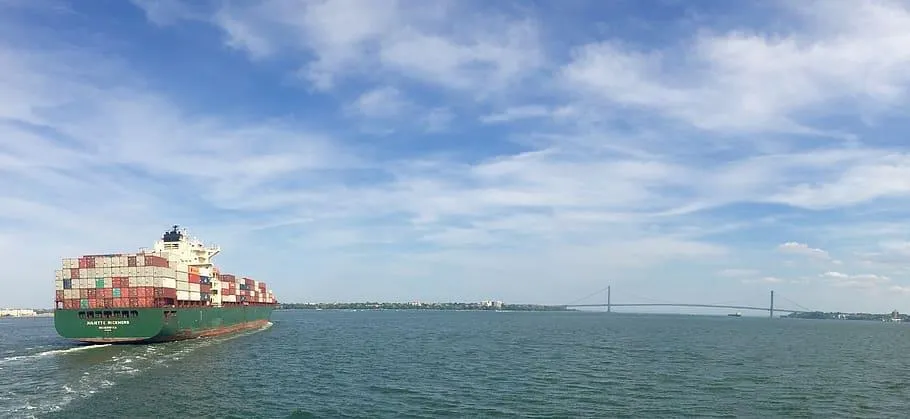
Freight transportation is entering a phase where efficiency is no longer defined solely by speed or cost. Instead, it is shaped by how effectively logistics systems can integrate technology, sustainability, and operational precision. As supply chains become more complex and globalized, logistics providers are increasingly turning to artificial intelligence and data-driven tools to optimize performance while reducing environmental impact.
This transformation is particularly significant in sectors such as heavy haul and large-scale freight, where operational challenges are amplified by the size, weight, and complexity of shipments. The ability to manage these factors efficiently requires a combination of advanced technology, strong infrastructure, and experienced professionals.
The Role of Artificial Intelligence in Freight Optimization
Artificial intelligence is reshaping how freight transportation is planned and executed. By analyzing vast amounts of data, AI systems can identify patterns, predict disruptions, and recommend optimal routes. This capability allows logistics providers to make more informed decisions and improve overall efficiency.
Applications of AI in logistics, such as those discussed in AI-driven logistics performance strategies, highlight how technology can enhance resilience during challenging market conditions. These systems enable companies to adapt quickly, maintaining service levels even when demand fluctuates.
For heavy haul operations, AI can assist in evaluating infrastructure constraints and identifying routes that minimize risk. By integrating real-time data with historical insights, these tools provide a comprehensive view of the logistics landscape.
Predictive Planning and Risk Reduction
One of the key advantages of AI is its ability to support predictive planning. By analyzing trends and external factors such as weather or traffic conditions, AI systems can anticipate potential disruptions before they occur. This allows logistics providers to take proactive measures, reducing delays and improving reliability.
In complex operations, predictive capabilities are particularly valuable. They enable logistics teams to adjust plans in advance, ensuring that shipments remain on schedule despite changing conditions.
Sustainability as a Core Logistics Objective
Sustainability has become a central focus in freight transportation, influencing how logistics systems are designed and operated. Reducing emissions, improving fuel efficiency, and minimizing waste are now key priorities for logistics providers.
Efforts to create more sustainable supply chains are explored in discussions like green logistics transformation, where operational strategies are aligned with environmental goals. These approaches emphasize the importance of integrating sustainability into every stage of the logistics process.
For freight providers, sustainable practices often lead to operational benefits as well. Efficient routing, optimized loads, and reduced fuel consumption contribute to both environmental and economic improvements.
Infrastructure and Its Impact on Efficiency
Infrastructure remains a fundamental element of freight transportation, influencing both efficiency and sustainability. Roads, ports, and distribution centers provide the physical framework that supports logistics operations. Their condition and capacity directly affect how goods are moved.
In heavy haul logistics, infrastructure considerations are particularly important. Route planning must account for load limits, clearance requirements, and road conditions. These factors influence not only the feasibility of transport but also its efficiency and environmental impact.
Investments in infrastructure development can significantly enhance logistics performance. Improved connectivity and reduced congestion enable more efficient movement of goods, supporting both operational and sustainability objectives.
Operational Expertise in Technology-Driven Logistics
While AI and digital tools are transforming logistics, human expertise remains essential. Logistics professionals are responsible for interpreting data, managing operations, and making strategic decisions. Their experience ensures that technology is applied effectively and that operations remain grounded in practical realities.
Providers such as BearDown Logistics demonstrate how operational knowledge can be combined with advanced technology to improve freight management. By aligning expertise with data-driven insights, logistics teams can support logistics growth and trust while navigating complex scenarios with greater confidence. This balance is especially important in specialized transport, where each shipment presents unique challenges. Experienced professionals can adapt to changing conditions, ensuring that operations remain efficient and reliable.
Collaboration Across the Supply Chain
Effective logistics requires collaboration between multiple stakeholders, including carriers, shippers, and infrastructure operators. Technology facilitates this collaboration by providing shared access to data and real-time information.
In heavy haul projects, where coordination is critical, this level of communication helps ensure that all requirements are met. It also reduces the risk of delays and improves overall efficiency.
Balancing Innovation with Practical Implementation
Adopting new technologies in logistics requires careful consideration. While AI and digital tools offer significant benefits, their implementation must align with operational needs. Logistics providers must evaluate how these technologies integrate with existing systems and processes.
Incremental adoption is often the most effective approach. By gradually introducing new tools and refining their use, companies can enhance performance without disrupting operations. This approach ensures that innovation supports practical outcomes.
Looking Ahead: The Future of Freight Transportation
The future of freight transportation will be shaped by the continued integration of technology, sustainability, and operational expertise. As supply chains evolve, logistics providers must remain adaptable, continuously refining their strategies to meet changing demands.
Advancements in AI, infrastructure development, and sustainable practices will create new opportunities for improving logistics performance. At the same time, challenges such as regulatory changes and market fluctuations will require ongoing adaptation.
Freight transportation is becoming a more interconnected and dynamic system. Understanding how its various components interact is essential for building efficient and resilient logistics networks.
As the industry moves forward, the focus will remain on achieving practical improvements that support both operational goals and environmental considerations. By aligning these priorities, logistics providers can create systems that are capable of meeting the demands of modern supply chains while contributing to long-term sustainability.