

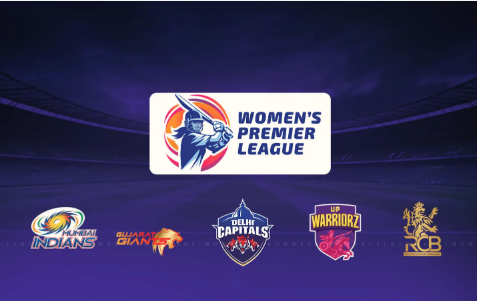
Since its inception, the Women’s Premier League (WPL) has had a transformative effect on Indian women’s cricket. Launched as a franchise-based competition, the WPL has steadily grown into a global powerhouse, reshaping how the game is played, perceived, and consumed. By 2025, it has become an essential part of the cricket calendar, not just in India but around the world.
The WPL’s rise has been more than just a spectacle of athleticism; it has been a catalyst for systemic changes in player development, media representation, and commercial opportunities in women’s cricket. Through its competitive balance, business model, and increasing fanbase, the WPL is helping to push Indian women’s cricket to unprecedented heights. This article delves into how the WPL has reshaped the sport in India and the lasting impact it will have on future generations of women cricketers.
The Emergence of the WPL: A Game Changer
When the WPL began, there were high expectations, but no one could have predicted the scale at which it would grow in such a short time. The IPL-inspired format, with its six franchises, high-profile players, and a regular season leading to playoffs, mirrored the success of the men’s IPL, but with a distinct focus on elevating the visibility of women’s cricket.
From its inception in 2023, the WPL attracted international superstars, including Australia’s Alyssa Healy, England’s Natalie Sciver, and New Zealand’s Sophie Devine. This infusion of global talent created a unique blend of Indian talent and international experience, and the combination of both has proven essential for the league’s growth.
The 2025 season demonstrated this, with the WPL gaining a wider audience and increasing its viewership by 20% compared to the previous year. As the league became more commercially successful, the performance on the field also reached new heights, setting the tone for future editions.
Boosting Financial Opportunities for Women Cricketers:
One of the most significant ways the WPL has reshaped Indian women’s cricket is by creating substantial financial opportunities for players. In the past, many female cricketers had to juggle the demands of the sport with other careers or rely on meager match fees. The introduction of the WPL has changed this reality for many players.
The auction system, akin to that of the IPL, has allowed women cricketers to command impressive salaries. During the 2025 WPL season, players like Smriti Mandhana, Harmanpreet Kaur, and Deepti Sharma signed contracts worth millions, setting a precedent for future women cricketers. The financial aspect has not only provided players with stability but also allowed them to dedicate themselves fully to the sport, improving the overall quality of cricket.
More importantly, the WPL has helped shift societal perceptions around women in sports. It’s no longer seen as a hobby or secondary pursuit. With the financial backing of major corporate sponsors, media deals, and brand endorsements, the WPL is helping to create a sustainable economic ecosystem for women’s cricket.
A New Era for Player Development:
Before the WPL, women’s cricket in India was largely reliant on domestic leagues and limited international opportunities. The WPL has provided young Indian cricketers with the platform to fast-track their development in an elite environment. In previous years, talented players had to wait for years to break into the national team, but the WPL has changed that.
The presence of international players has raised the standard of play and provided Indian players with invaluable learning opportunities. Young players like Shafali Verma, Richa Ghosh, and Harleen Deol have thrived in the league, honing their skills against the best in the world. The 2025 season saw new Indian stars emerge, including young all-rounder Simran Shaikh, who impressed with her consistency and ability to perform under pressure.
The ability to learn from global superstars, combined with the high level of competition, accelerates the development of Indian players. The WPL’s structured environment offers both technical and mental challenges that prepare players for international cricket, ensuring a steady pipeline of talent for the national team.
A Platform for International Recognition:
The WPL has also given Indian women cricketers a platform to gain international recognition and commercial success. The visibility of the league has opened doors for players to secure endorsement deals, sponsorships, and global media opportunities. As the WPL’s audience continues to grow, so does the marketability of players.
The rise of Harmanpreet Kaur as the captain of the Mumbai Indians Women’s team has also added to her visibility, making her one of the most recognized female athletes in India. Similarly, Smriti Mandhana, with her incredible performances, has become a household name, both in cricket and in brand collaborations.
The international nature of the WPL has made it possible for Indian players to reach audiences far beyond India. The league’s partnership with broadcasters and digital streaming platforms ensures that women’s cricket receives the same level of attention as men’s cricket, reinforcing the idea that women’s sports are a marketable and profitable venture.
Fan Engagement: Building a Loyal Base:
One of the most exciting developments in Indian women’s cricket is the growth of its fanbase. The WPL has played a pivotal role in cultivating new audiences and building a fan culture around women’s cricket. With teams representing cities across India, the league has created local rivalries and fan-driven narratives.
As the WPL season progresses, the crowds in the stadiums continue to grow. By 2025, average attendance has increased by 40% compared to the league’s inaugural year, and viewership on television and digital platforms has surged. The energy in the stadiums during key matches is palpable, with fans cheering for their teams and players in a manner reminiscent of the IPL.
Digital engagement has also played a key role in fostering fan loyalty. Social media platforms are filled with fan-driven content, memes, and match discussions, all helping to amplify the league’s presence. The 2025 season saw fan engagement reaching new heights, with younger audiences in particular showing increased interest in the women’s game. Additionally, the rise of online fan engagement has raised awareness about various related topics, including conversations around Banned Betting Apps, which have emerged as a concern within digital betting circles.
The Impact on Indian Women’s National Team:
The WPL’s influence on the Indian national team has been profound. The rise of young talent through the WPL has directly contributed to a more competitive and diverse squad for the Indian women’s cricket team. As the players gain more exposure in the league, their performances for the national team have also improved.
In recent international tournaments like the Women’s T20 World Cup, India has seen increased consistency, thanks to players who have matured through the WPL system. For example, Richa Ghosh, who played for the Gujarat Giants, demonstrated remarkable composure in high-pressure situations, which translated into strong performances in international matches.
Moreover, the tactical acumen developed through playing in high-stakes WPL games has contributed to improved decision-making on the field for the national team. The league has helped hone the leadership qualities of players like Harmanpreet Kaur, who now carries a wealth of experience in handling diverse situations.
Commercial Growth and Sponsorship:
The commercial growth of the WPL has also had a significant impact on the sport. Major brands are now investing in women’s cricket, recognizing the potential for long-term profitability. Sponsorship deals, both for teams and individual players, have skyrocketed, allowing the league to offer better facilities, improved salaries, and enhanced marketing opportunities.
The 2025 WPL season saw an influx of new sponsors, from global brands to local businesses eager to associate themselves with a rapidly growing sport. The IPL’s success in building a profitable model for men’s cricket has proven to be a template for women’s leagues as well. With each passing season, the commercial viability of the WPL becomes more established, making it an attractive proposition for investors, broadcasters, and players alike.
The WPL’s Global Influence:

Source Image
As the WPL continues to expand, its influence is being felt across the globe. The league has drawn attention from cricketing nations that are now working towards building their own women’s T20 leagues. The success of the WPL has shown the world that there is an untapped market for women’s cricket and that investing in it brings both social and financial rewards.
In the coming years, we are likely to see more countries adopting the WPL’s model, with enhanced focus on grassroots development, player retention, and global partnerships. This expansion will elevate the profile of women’s cricket globally, offering new opportunities for players and fans.
Challenges Still Ahead:
Despite the rapid success, challenges remain. Gender parity in sports sponsorship, media coverage, and investment continues to be an issue, even though progress has been made. Moreover, maintaining the competitive balance in the league, with the influx of international talent, will require careful oversight.
The growing demand for women’s cricket globally also puts pressure on the infrastructure and scheduling, and balancing these demands will require ongoing adjustments to ensure the league remains sustainable and competitive.
Conclusion:
The Women’s Premier League has already reshaped the landscape of Indian women’s cricket, and its impact will be felt for years to come. From player development to fan engagement, from commercial success to global influence, the WPL has set a new benchmark for women’s sports leagues around the world.
By 2025, it is clear that the WPL is not just a competition; it is a movement. It has given women cricketers the platform, recognition, and opportunities they deserve while inspiring the next generation of fans and players. The road ahead promises even more growth, with the WPL leading the charge in creating a more inclusive, competitive, and commercially successful future for women’s cricket in India and beyond.