

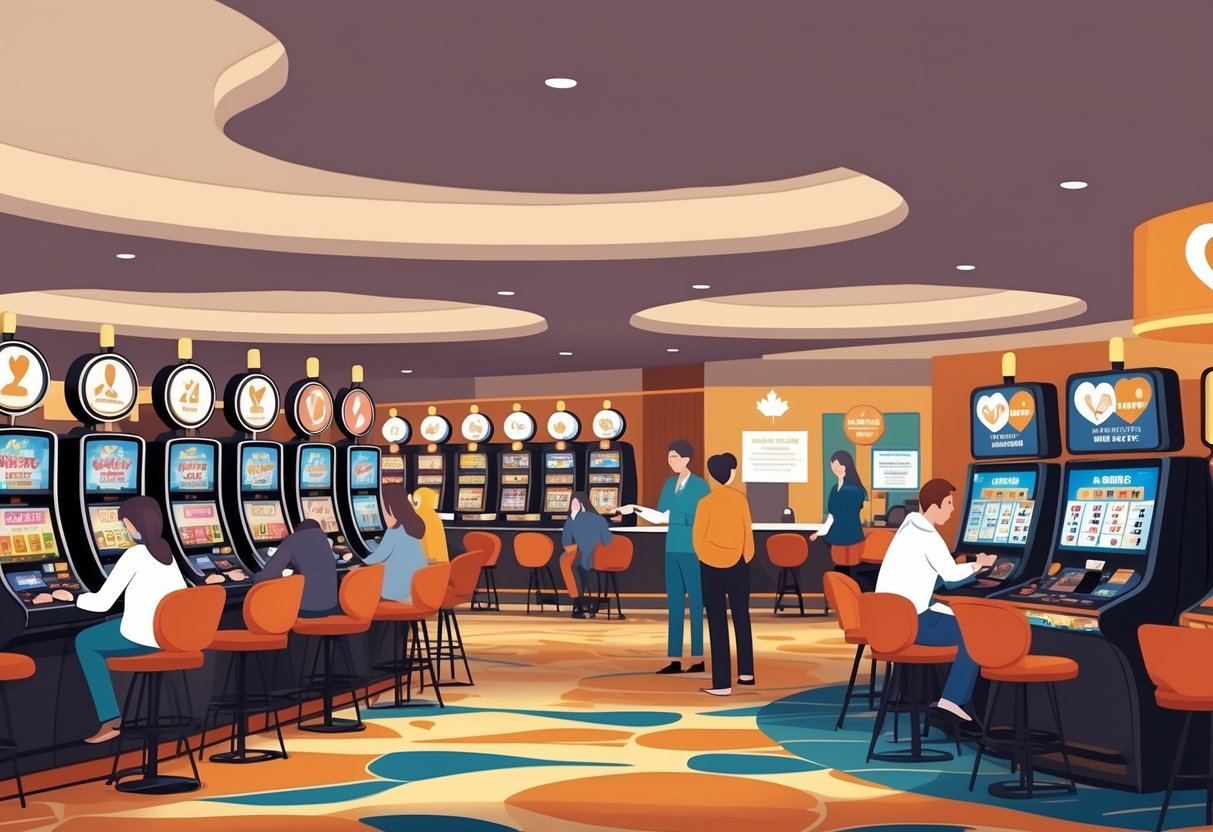
Canada’s gambling industry has undergone a significant transformation in how it approaches player safety and accountability. Casinos and online platforms across the country now prioritize player wellbeing through mandatory tools, support systems, and regulatory frameworks designed to prevent harm before it starts. This shift reflects a broader understanding that sustainable gambling depends on keeping players informed, protected, and in control of their own choices.
You’ll find that responsibility in Canadian casinos goes beyond simple warnings or disclaimers. Provincial authorities and operators have implemented concrete measures like deposit limits, self-exclusion programs, and real-time monitoring systems that detect risky behaviour patterns. These aren’t optional add-ons but core requirements that shape how gambling operates from coast to coast.
Understanding where Canada stands on player protection helps you make informed decisions about where and how you engage with casino entertainment. This article examines the specific initiatives shaping responsible gambling today, the technology enabling safer play, the resources available when problems arise, and what’s next for an industry balancing entertainment with genuine care for those who participate.
Responsible Gambling in the Canadian Casino Landscape
Canadian casinos operate within a framework where player protection measures and regulatory oversight have become central to industry operations, particularly as gambling participation reached 19.3 million active online players nationwide.
Defining Responsible Gambling and Player Wellbeing
Responsible gambling encompasses mechanisms and initiatives designed to protect you as a player while maintaining the integrity of Canada’s casino industry. When you engage with responsible play, you’re treating gambling as entertainment rather than a source of income.
The concept extends beyond simple warnings to include concrete measures for player wellbeing. These include deposit limits, self-exclusion options, and reality checks built into both physical and online casino environments.
The Canadian Centre on Substance Use and Addiction developed the world’s first evidence-based Lower-Risk Gambling Guidelines through collaboration with over 60,000 participants across eight countries. These guidelines recommend specific limits: don’t bet more than 1% of your household income before tax per month, don’t gamble more than four times monthly, and avoid playing more than two types of games regularly.
The Shift from Entertainment to Responsibility
The Canadian casino industry has transformed its approach since single-event sports betting legalization in 2021. With over $63 billion wagered in Ontario alone during 2023-24, you now encounter responsible gambling measures at every touchpoint.
Major operators like bet365, DraftKings, and FanDuel have implemented comprehensive player protection tools that go beyond basic requirements. You can access session limits, wagering caps, and cool-off periods designed to help you maintain control.
The Responsible Gambling Council (RGC) has driven this shift through its RG Check accreditation program. This certification ensures operators meet rigorous standards for player protection, staff training, and harm prevention.
Regulatory Bodies and Oversight in Canada
Canada lacks a unified federal gambling regulator, which means you’ll encounter different rules depending on your province. The Alcohol and Gaming Commission of Ontario oversees operators in that province, while other regions maintain their own regulatory frameworks.
The CCSA leads federal responsible gambling efforts and has called for a pan-Canadian strategy to address gambling-related harm. Currently, Bill S-269 proposes a National Framework on Advertising for Sports Betting Act to limit gambling advertising visibility.
The Competition Bureau oversees advertising standards, while the Canadian Radio-television and Telecommunications Commission (CRTC) regulates broadcasting content. This multi-layered approach means you’re protected by both provincial gambling policy and federal consumer protection measures.
Measures, Tools, and Innovations for Safer Casino Play
Nowadays the best Canadian casino operators treat responsible gambling as a core part of their platform design rather than an optional add-on. Deposit limits, self-exclusion programmes, reality checks, and real-time behavioural monitoring have become standard safeguards across Canada, reflecting a broader shift toward player wellbeing, transparency, and long-term trust in regulated casino environments.
Player Protection Measures and Self-Exclusion
Self-exclusion allows you to voluntarily ban yourself from casino premises or online platforms for periods ranging from six months to permanent exclusion. In Canada, provincial gaming authorities maintain databases that prevent self-excluded individuals from entering participating venues or accessing regulated online gambling sites.
The process typically requires you to complete formal documentation and provide identification. Once enrolled, casino staff receive alerts if you attempt to enter, and online systems block your account access. Breaking self-exclusion can result in trespassing charges and forfeiture of any winnings.
Self-exclusion programs vary by province. Ontario’s system connects land-based and online operators, while British Columbia maintains separate registries. Research on Canadian casino players shows higher awareness of self-exclusion among at-risk and problem gamblers, though perceived impact on actual gambling behaviour remains limited.
Third-party organizations like the Canadian Foundation for Advancement of Pharmacy Practice help coordinate exclusion across multiple operators. However, self-exclusion doesn’t prevent access to unregulated offshore sites.
Setting Spending and Deposit Limits
Deposit limits let you cap how much money you transfer to your casino account within specified timeframes—daily, weekly, or monthly. Spending limits restrict total amounts wagered regardless of wins or losses during play sessions.
Provincial regulations mandate these tools on licensed platforms. You set limits during account creation or adjust them through your profile settings. Increases to limits typically include cooling-off periods of 24 to 72 hours, while decreases take effect immediately.
Research indicates Canadian casino players who set limits more frequently perceive reduced gambling expenditure, though the effect size remains modest. The tools work best when paired with other harm reduction measures rather than as standalone interventions.
Ontario’s regulated market requires operators to offer pre-commitment tools before play begins. Some platforms use mandatory limit-setting, forcing you to establish boundaries before making your first deposit.
Reality Checks and Play History Tools
Reality checks interrupt your gameplay at predetermined intervals—commonly every 60 to 90 minutes—displaying session duration and net losses or wins. You must acknowledge the notification before continuing, creating a pause for reflection.
Play history tools provide detailed records of your gambling activity, including amounts wagered, session lengths, deposits, withdrawals, and win-loss ratios. You can access this data through your account dashboard, often with filters for specific date ranges or game types.
Canadian casino platforms increasingly embed these features as standard functionality rather than optional add-ons. The data helps you track spending patterns and identify changes in behaviour that may signal developing problems.
GameSense, used in British Columbia casinos, combines reality checks with educational resources about odds and game mechanics. Similar information centres operate in other provinces, offering on-site access to play history analysis and counselling referrals.
Technology-Driven Harm Reduction
Algorithm-driven systems now analyze betting patterns, session frequency, deposit behaviour, and gameplay velocity to identify risk markers. These platforms flag accounts showing characteristics associated with problem gambling, triggering interventions ranging from gentle notifications to mandatory breaks.
Machine learning models assess hundreds of behavioural variables simultaneously. When your activity crosses predetermined thresholds, systems may automatically reduce betting limits, require reality checks at shorter intervals, or prompt direct contact from safer gambling teams.
Organizations like eCOGRA certify that online casinos implement adequate player protection standards, including responsible gambling tools and fair gaming practices. Their Safe and Fair seal indicates compliance with international benchmarks for harm minimization.
Mobile platforms present unique challenges and opportunities. Geolocation technology verifies you’re gambling within legal jurisdictions, while biometric authentication prevents account sharing. Push notifications can deliver personalized safer gambling messages based on your specific play patterns.
Canadian operators increasingly adopt real-time intervention capabilities that adjust game parameters during active sessions. These include slowing game speed, displaying transparent odds information, and limiting rapid rebetting after losses.
Addressing Problem Gambling and Supporting Positive Play
Problem gambling affects a significant portion of Canadian players, requiring comprehensive support systems that combine intervention services with preventive strategies focused on positive play behaviours and gambling literacy.
Understanding Gambling Addiction and Disordered Gambling
Gambling addiction represents a behavioural disorder where you experience an inability to control gambling despite negative consequences. Disordered gambling exists on a spectrum, ranging from at-risk behaviours to severe problem gambling that disrupts your financial stability, relationships, and mental health.
Research identifies several warning signs you should monitor. These include gambling with money you cannot afford to lose, chasing losses, lying about gambling activities, and experiencing anxiety or irritability when attempting to reduce gambling. The condition often develops gradually, making early recognition challenging.
Key risk factors include:
- Previous history of substance use disorders
- Mental health conditions such as depression or anxiety
- Easy access to gambling venues or online platforms
- Misconceptions about game odds and mechanics
Canadian gambling research emphasises that disordered gambling shares neurological similarities with substance addictions. Your brain’s reward pathways become dysregulated, creating compulsive behaviours that require professional intervention and structured support.
Support Services, Counselling, and Helplines
ConnexOntario operates as Ontario’s primary resource, providing free and confidential connections to mental health, addiction, and problem gambling services. You can access support 24/7 through their helpline at 1-866-531-2600 or online chat services.
Most provinces maintain dedicated gambling helplines staffed by trained counsellors who understand the complexities of gambling addiction. These services offer immediate crisis support, assessment tools, and referrals to specialized treatment programs. You receive confidential assistance without judgment, whether you are struggling yourself or concerned about someone else.
Counselling services range from individual therapy to group support programs. Many facilities provide cognitive-behavioural therapy specifically designed for gambling disorders, helping you identify triggers and develop coping strategies. Financial counselling often accompanies therapeutic services, addressing the practical consequences of problem gambling.
Awareness Campaigns and Responsible Gambling Messaging
Provincial operators and regulators implement awareness campaigns that educate you about gambling risks and available support resources. These initiatives focus on correcting misconceptions about odds, explaining how games actually work, and promoting gambling literacy as a protective factor.
Effective gambling messages balance entertainment aspects with clear risk information. You will find messaging that emphasizes time and money limits, self-exclusion options, and reality checks that interrupt extended play sessions. The Positive Play approach represents a shift toward promoting healthy gambling behaviours rather than solely addressing problems after they develop.
Modern awareness campaigns incorporate:
- Interactive quizzes that test your knowledge about game mechanics and odds
- Personalized feedback tools that compare your behaviours against low-risk guidelines
- Digital interventions delivered through casino platforms and mobile applications
Recent gambling research demonstrates that educational tools combining normative feedback with gambling literacy content improve your intentions to adopt responsible practices. These evidence-based interventions help you make informed decisions before problematic patterns emerge.
The Changing Role of Operators and Future Developments
Casino operators now face mounting pressure to prioritize player wellbeing alongside profitability, with regulatory frameworks increasingly demanding transparency and accountability. The shift toward online platforms and evolving game types requires operators to implement stronger consumer safeguards while navigating complex provincial regulations.
Casino Operators’ Responsibilities and Consumer Safeguards
Casino operators in Canada must now maintain active monitoring systems that track player behaviour patterns. These responsibilities extend beyond basic age verification to include deposit limits, session time reminders, and self-exclusion programs integrated directly into gaming platforms.
Licensed operators are required to provide easily accessible responsible gaming tools before you start playing. This includes setting daily, weekly, or monthly deposit caps, along with reality checks that alert you to time spent gambling. Provincial regulators audit these systems regularly to ensure compliance.
The industry has moved toward implementing AI-based detection systems that identify potential problem gambling indicators. When unusual betting patterns emerge, operators must intervene with direct communication or temporary account restrictions. This represents a significant departure from the traditional hands-off approach where operators simply provided services without active player monitoring.
Online Poker and Evolving Game Types
Online poker platforms have introduced features specifically designed to promote healthier play habits. Most regulated sites now display your session duration, total wagered amounts, and net wins or losses in real-time dashboards.
The casino industry continues developing new game formats that emphasize skill elements alongside chance. These hybrid games typically feature transparent odds calculations and built-in pause mechanisms. Regulated online poker rooms in provinces like Ontario must provide hand history access and statistical tracking tools that help you analyze your playing patterns objectively.
Game developers now design slots and table games with configurable speed settings, allowing you to reduce spin rates or hand frequency. This shift acknowledges that rapid gameplay can contribute to loss of control and excessive spending.
Trends in Regulation, Transparency, and Player Trust
Provincial regulators are standardizing transparency requirements across the casino industry. Operators must now publish return-to-player (RTP) percentages for all games, display house edge information prominently, and provide clear terms for bonuses and promotions.
Recent regulatory changes mandate that operators separate player funds from operational accounts, ensuring your deposits remain protected even if a company faces financial difficulties. Third-party auditing of random number generators has become mandatory for all licensed platforms.
Responsible gaming initiatives now receive dedicated funding from operator revenues, with specific percentages allocated to prevention programs and treatment services. This creates a direct financial link between industry profits and player protection measures, fundamentally changing how operators approach consumer wellbeing in their business models.