

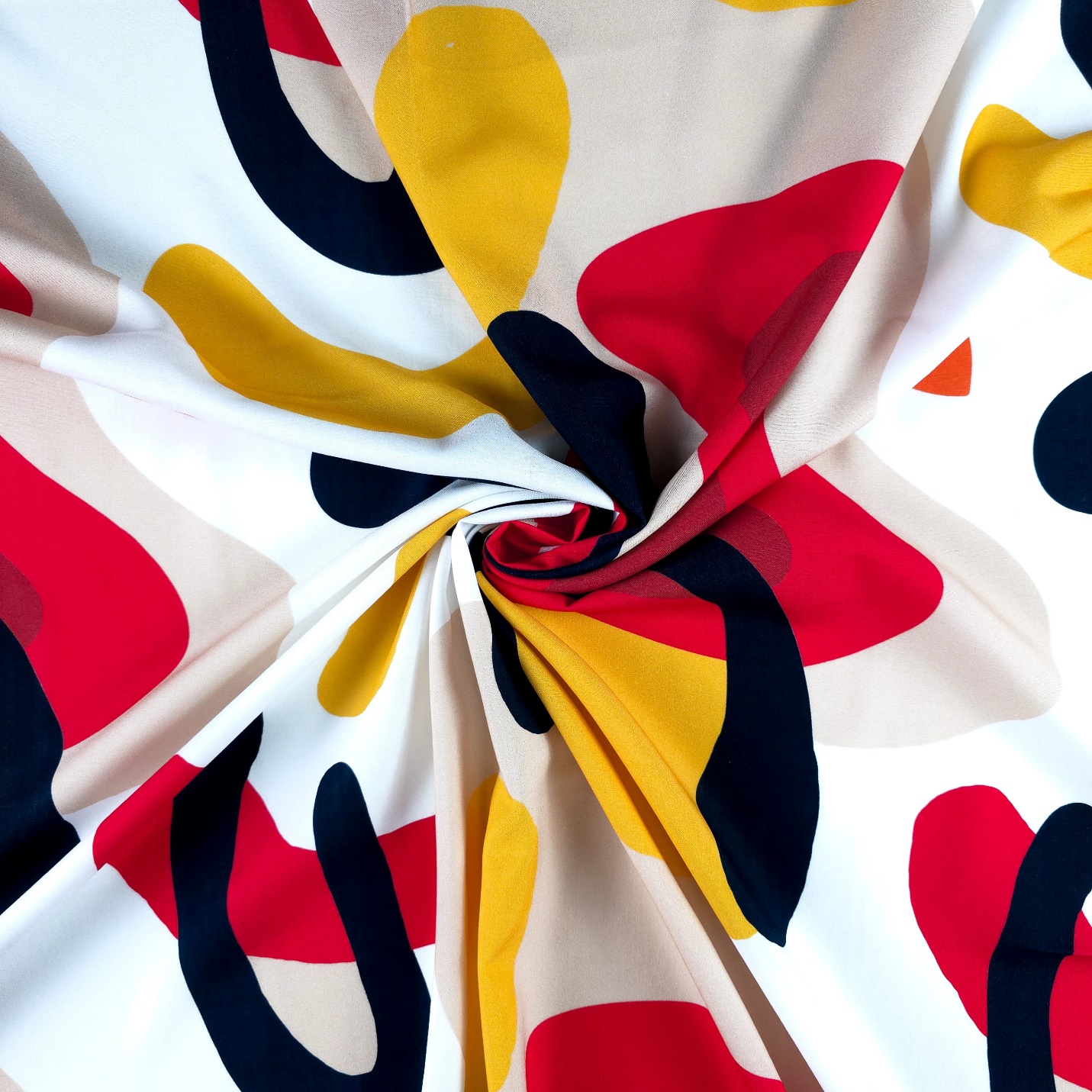
Choosing the right fabric is one of the most important decisions when creating any garment. The fabric influences not only the appearance of the finished piece but also its comfort, durability, and overall wearability. Whether you’re designing a casual kurti, an elegant dress, or a tailored shirt, selecting the appropriate material can make a significant difference in the final result. Today, many designers, boutique owners, and fashion enthusiasts explore kurti fabric online to access a wider variety of colors, textures, and patterns suited to different styles and occasions.
With so many fabric options available, understanding the characteristics of each material can help simplify the selection process and ensure that your garment performs as expected.
Choosing the Right Fabric for Kurtis
Kurtis remain one of the most versatile garments in modern wardrobes. They can be styled for daily wear, office settings, festive occasions, and casual outings.
The ideal fabric for a kurti often depends on the desired look and level of comfort. Lightweight cotton fabrics are popular because they offer breathability and ease of movement, particularly in warmer climates. Cambric and cotton blends are frequently chosen for everyday kurtis due to their soft texture and comfortable feel.
For more decorative designs, printed fabrics featuring floral, ethnic, or contemporary patterns can add visual interest while maintaining comfort.
Finding the Perfect Fabric for Dresses
Dress fabrics should complement the silhouette and purpose of the garment. Soft, flowing materials often work well for casual and semi-formal dresses because they create natural movement and enhance comfort.
When shopping for dress material fabric online, buyers often look for fabrics that balance style with practicality. Materials such as rayon are valued for their fluid drape, while cotton-based fabrics remain a reliable option for comfortable everyday dresses.
The choice of fabric should also consider the season. Lightweight materials generally work well for summer wear, while slightly heavier fabrics may provide better structure during cooler months.
Selecting Fabric for Shirts
Shirts require fabrics that combine comfort with durability. Unlike dresses and kurtis, shirts often need a cleaner, more structured appearance.
Poplin is a popular choice because of its smooth texture and crisp finish. Its durability makes it suitable for both casual and formal shirts. Cotton-based fabrics are also widely used because they offer breathability while maintaining a polished look.
For individuals seeking all-day comfort, softer woven fabrics can provide a balance between structure and ease of wear.
Understanding Popular Fabric Choices
Different fabrics serve different purposes, and understanding their strengths can help buyers make better decisions.
Cotton
Cotton remains one of the most versatile fabric options available. It is breathable, comfortable, and suitable for a variety of garments, including kurtis, dresses, and shirts.
Rayon
Rayon is appreciated for its soft texture and excellent drape. It is commonly used in dresses and contemporary fashion pieces where fluid movement is desired.
Satin
Satin is known for its smooth surface and subtle sheen. It is often selected for occasion wear, evening outfits, and garments that require a more refined appearance.
Poplin
Poplin offers a crisp texture and structured finish, making it particularly suitable for shirts and tailored garments.
Factors to Consider Before Buying Fabric
Before selecting a fabric for any garment, it is important to evaluate a few key factors:
-
Intended use of the garment
-
Fabric weight and texture
-
Seasonal suitability
-
Comfort level
-
Maintenance requirements
Considering these elements can help ensure that the chosen material aligns with both design goals and practical needs.
Common Mistakes to Avoid
Many buyers focus primarily on color or print while overlooking how the fabric will behave once stitched into a garment.
Some common mistakes include:
-
Choosing a fabric that is too heavy for the design
-
Ignoring drape and movement
-
Selecting materials unsuitable for the season
-
Underestimating fabric requirements
A thoughtful approach to fabric selection can help prevent these issues and contribute to a better final result.
Why Fabric Quality Matters
Even the most attractive design can be affected by poor-quality material. High-quality fabrics generally offer better comfort, improved durability, and a more refined appearance.
Paying attention to weave consistency, texture, and overall finish can help buyers select fabrics that support long-lasting garment performance.
Conclusion
The success of any garment begins with selecting the right fabric. Whether creating kurtis, dresses, or shirts, understanding how different materials perform can help ensure that the finished piece meets both aesthetic and functional expectations.
By considering factors such as comfort, drape, durability, and intended use, buyers can make informed decisions and choose fabrics that enhance the quality and appeal of their fashion projects.