

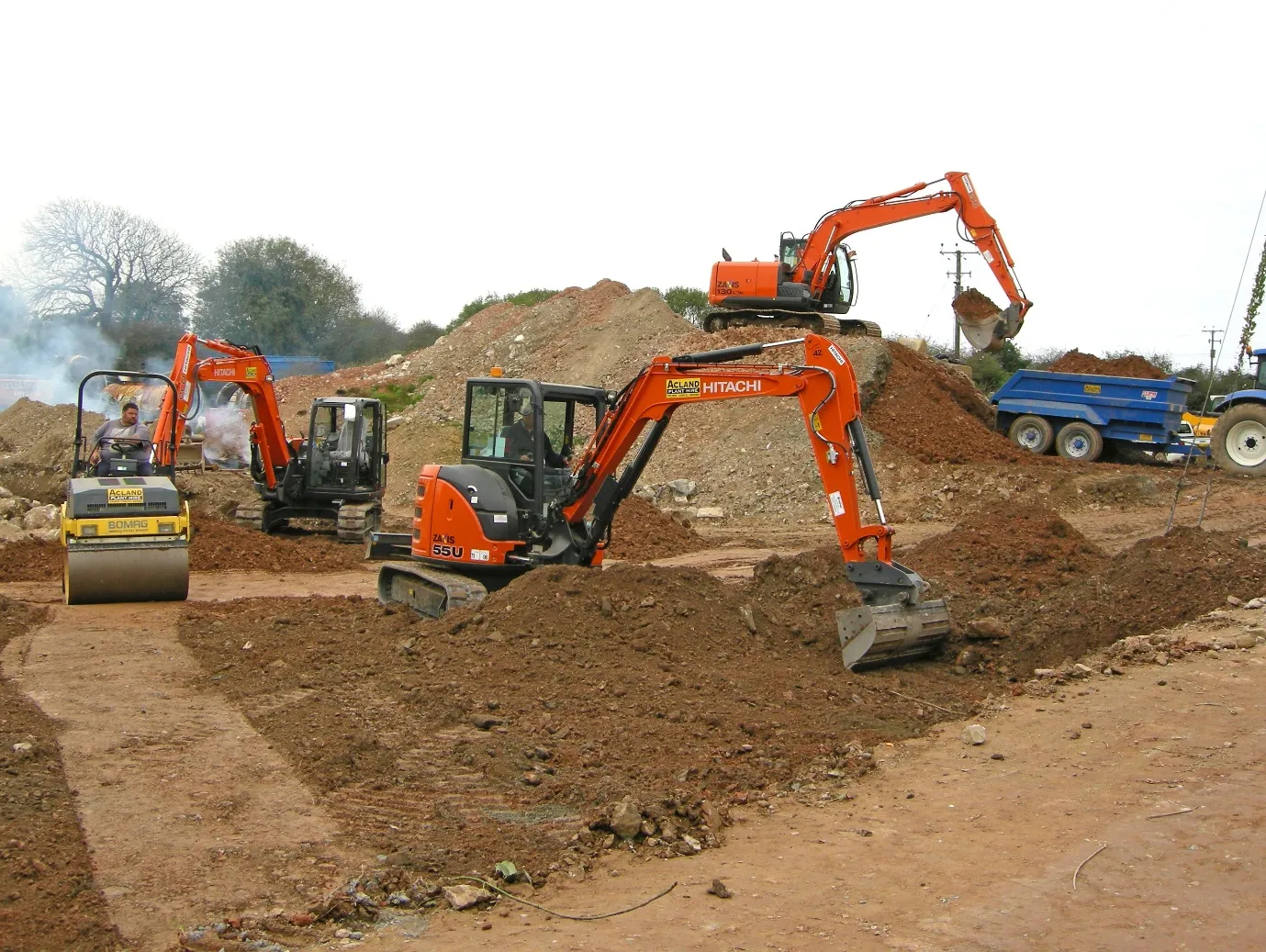
Most people link sweepers with roadworks, but the same machine suits many other settings. Farms, quarries, depots, car parks and event grounds all produce debris that brushes and hoses cannot tackle efficiently. Once you start looking, the number of possible uses is surprisingly long.
The county adds its own variety: busy holiday seasons, agricultural traffic and coastal weather that blows sand, leaves and grit onto surfaces. Understanding these patterns shows when a sweeper adds real value, and when a simple tidy-up by hand would be perfectly adequate. Each of these influences how often cleaning is needed.
Farm Tracks and Yards
Tractors and trailers carry slurry, silage residue and mud onto public lanes, especially during harvest and muck-spreading seasons. Neighbours and councils notice quickly, and a farm with a messy entrance soon gets a reputation that no farmer wants among the local community. Few jobs make a farm look more considerate.
A sweeper clears the lane, supports good-neighbour relations and keeps yard surfaces safer for staff and livestock movements. A single visit after a busy week can reset the whole entrance, and the saving in time and labour is often greater than people expect. Cleaner lanes also prevent slippery patches for road users.
Car Parks, Events and Festivals
Summer brings crowds, and crowds bring litter, broken glass and gravel pushed around by vehicles. Organisers want grounds presentable before the gates open and tidy again once the last visitor leaves, often within very tight timescales and with limited staff available to help. Cleaner grounds also encourage visitors to return.
Sweeping before and after an event takes little time but makes a big impression. It also reduces slip hazards and stops debris blocking drains, which matters when a Cornish shower arrives. Visitors may never notice the effort, but they will certainly notice if it is missing. Festival crews know this better than anyone.
Industrial Units and Depots
Warehouses, builders’ merchants and haulage yards see constant vehicle movement. Dust and stray material clog drains, damage tyres and make loading areas hazardous. Staff who walk across dirty surfaces every day are more likely to slip, and forklifts struggle on loose, gritty ground. Cleaner surfaces also help reduce everyday accidents.
Regular sweeping extends the life of surfaces and reduces puddles. That is why many managers compare road sweeper hire Cornwall options before committing to an expensive purchase and a maintenance burden. Paying only when the service is needed keeps budgets simple and avoids machinery sitting unused. A tidy yard also signals a well-run business.
Leaves, Sand and Winter Grit
Autumn leaves form slippery mats on car parks and access roads, and coastal storms can dump sand and seaweed on surfaces near the shore. Winter gritting leaves stones behind that scratch paintwork and wear tyres, long after the frost has gone and the roads are clear again. Both can become a hazard for pedestrians and drivers.
A sweeper clears these seasonal deposits quickly, restoring grip and keeping drains running. The same job would take days by hand and rarely leaves the surface properly clean. For sites near the coast, a regular seasonal visit can become as routine as any other maintenance task. Few other jobs show results so quickly.
Choosing the Right Schedule
Think about what creates your mess and when. Harvest, summer trade and winter leaf fall produce peaks, while building phases create short bursts. Match visits to those pressures instead of following a rigid calendar, and you will pay for cleaning only when it genuinely makes a difference. Seasonal planning is far cheaper than reacting to complaints.
Start with a trial period and review the results. If surfaces stay clean between visits, extend the gap; if debris builds quickly, shorten it. Flexibility keeps costs sensible and standards high, and a few weeks of notes will soon reveal the pattern that suits your premises best. Keep the notes simple: date, area and condition.
Conclusion
A sweeper is far more than a construction accessory. For farms, venues and commercial yards, it protects safety, appearance and relationships with neighbours throughout the year. Good surfaces tell customers, staff and visitors that a site is looked after and properly managed. Tidy sites tend to attract better customers, too.
If you are unsure what suits your premises, Acland Plant Hire can talk you through the options on 01872 560180. A quick call could save time, reduce complaints and keep your surfaces looking sharp, whatever the season or the type of site you are responsible for.