

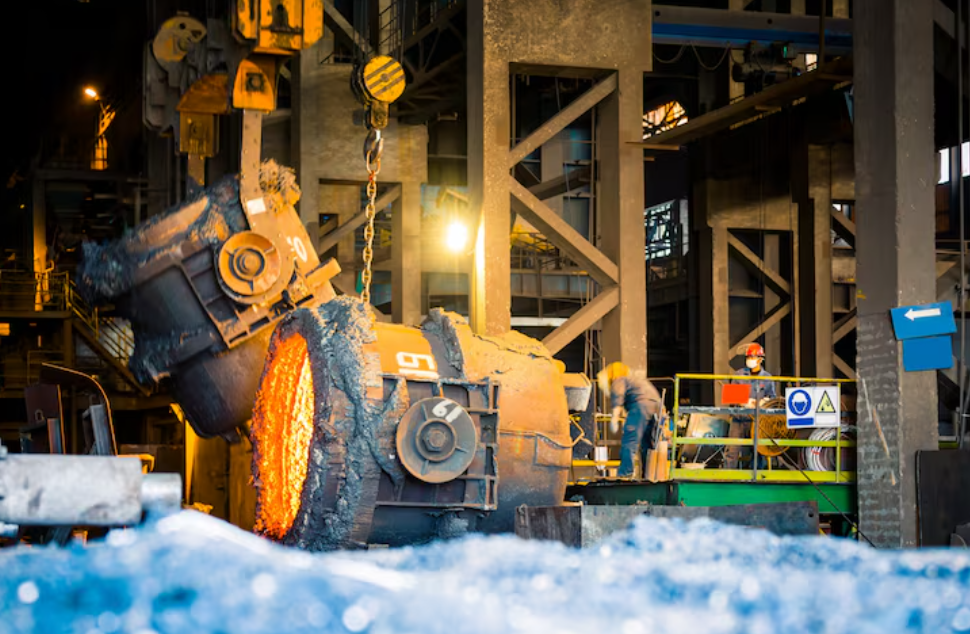
Copper mining is a critical industry that supplies a metal essential for infrastructure, electronics, and renewable energy technologies. It involves extracting copper ore from the earth, typically through open-pit or underground mining methods, then processing it to produce concentrates that are refined into usable metal. This process supports various sectors and plays a significant role in modern economies.
Canada is a key player in global copper production, with numerous active mines, especially in British Columbia and Saskatchewan. These operations employ conventional techniques such as crushing, grinding, and flotation to recover copper, often alongside valuable by-products like gold and silver. The demand for copper is expected to rise, driven by the green energy transition and expanding technology markets.
Understanding the fundamentals of copper mining helps reveal its economic and environmental impact, as well as the challenges faced by the industry. Exploring how mines operate and adapt offers insight into the future of copper supply and its importance in the global market.
Copper Mining Overview
Copper mining spans diverse regions, with varied ore types and extraction techniques tailored to each deposit’s characteristics. Global output reflects fluctuating demand driven by industries reliant on copper, such as infrastructure and renewable energy.
Major Copper Producing Regions
The Andes mountain region in South America is a dominant source of copper. Countries like Chile and Peru produce roughly one-third of the world’s supply. Chile alone holds the largest copper reserves and mining operations globally.
North America also plays a significant role. The United States and Canada, particularly in regions like Arizona and Ontario, contribute substantially to production. Canada ranks among the top global producers, with mining focused on large-scale projects.
Africa and Australia have emerging and established copper mines, serving growing domestic and international markets. These regions complement global supply with both surface and underground operations.
Types of Copper Ore
Copper primarily occurs in two ore types: sulfide and oxide. Sulfide ores, such as chalcopyrite, are the most common and typically require complex processing involving flotation and smelting. These ores have higher copper content and are often mined underground.
Oxide ores are found near surface layers and are easier to process through hydrometallurgical methods like leaching. These ores contain lower copper concentrations but allow for cost-effective extraction.
Both ore types influence the extraction technique chosen. Mining projects usually classify ore types early to optimize processing and overall project economics.
Mining Methods for Copper Extraction
Open-pit mining is the primary method for large, near-surface copper deposits. It involves drilling, blasting, and hauling ore to processing plants. This method offers lower extraction costs and capability for large-scale operations.
Underground mining targets deeper ore bodies. Techniques include block caving and cut and fill, chosen for ore accessibility and minimizing environmental impact. Underground mines require more safety protocols and advanced equipment.
Processing follows mining, with stages such as crushing, grinding, flotation to concentrate the copper, and smelting or leaching depending on ore type. These methods aim to maximize copper recovery and reduce waste.
Global Production and Consumption Trends
Global copper production was nearly 21 million tonnes in 2019, continuing to rise with expanding demand. Infrastructure development and green technologies, including electric vehicles and renewable energy installations, drive consumption growth.
Asia and the Americas remain the largest consumers of copper. China dominates as the top user, primarily for electrical and construction sectors.
Supply challenges include resource depletion, geopolitical factors, and environmental regulations. These factors influence market prices and investments in new mining technologies to improve efficiency and sustainability.
Copper Processing and Industry Impact
Copper mining involves complex processes to convert raw ore into usable metal. The industry faces challenges related to extraction methods, environmental management, and its role in the global economy. These factors influence the efficiency, sustainability, and economic output of copper production.
Ore Processing Techniques
Copper ore processing begins with crushing and grinding to break down the ore into smaller particles. Flotation is the most common method used to separate copper minerals from waste rock, producing a concentrate with high copper content.
Smelting and refining follow flotation. Smelting melts the concentrate to separate metal from impurities. Refining then purifies the copper to high purity levels, often exceeding 99.9%.
Technological advancements focus on reducing emissions and improving energy efficiency during processing. Innovations like hydrometallurgical methods offer lower environmental impact alternatives, especially for low-grade ores.
Environmental Considerations
Copper processing generates waste materials, including tailings and slag, which pose pollution risks. Toxic substances can leach into soil and water, affecting ecosystems and human health.
Mining operations consume large quantities of water and energy, intensifying pressure on local resources. Water scarcity is a growing concern in major mining regions such as Chile and Zambia.
Efforts to reduce the environmental footprint include improved waste management, recycling initiatives, and adopting cleaner processing technologies. Environmental Impact Assessments (EIAs) guide regulatory compliance and help minimize damage.
Economic Significance of Copper Mining
Copper is essential for electrical wiring, electronics, and renewable energy infrastructure, driving strong global demand. The industry supports millions of jobs across mining, processing, and related sectors.
Countries with large copper reserves, like Chile, Peru, and the United States, rely heavily on copper exports for economic growth and national revenue. Declining ore grades and increasing extraction costs create challenges that require investment in new technologies.
The metal’s price volatility impacts market stability, influencing investment and production decisions. Despite this, copper remains a critical commodity for industrial development worldwide.
